





Code of conduct

All IPC7 delegates are expected to abide by our Code of Conduct that supports a diverse, equitable and inclusive environment. Download here

If you believe you have experienced or observed harassment, please fill in the incident report.

Convention Venue

Baxter Theatre Complex and the University of Cape Town

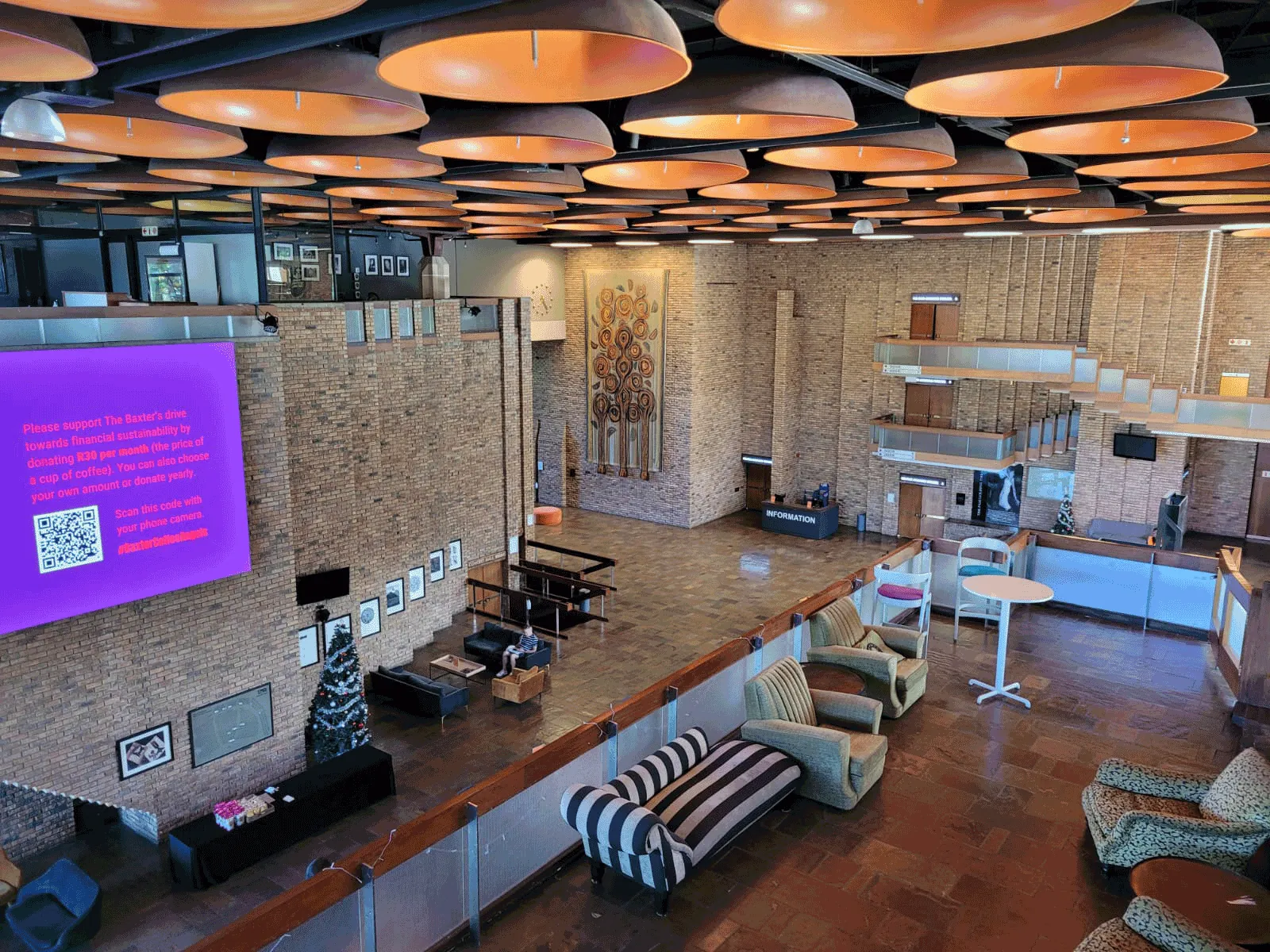
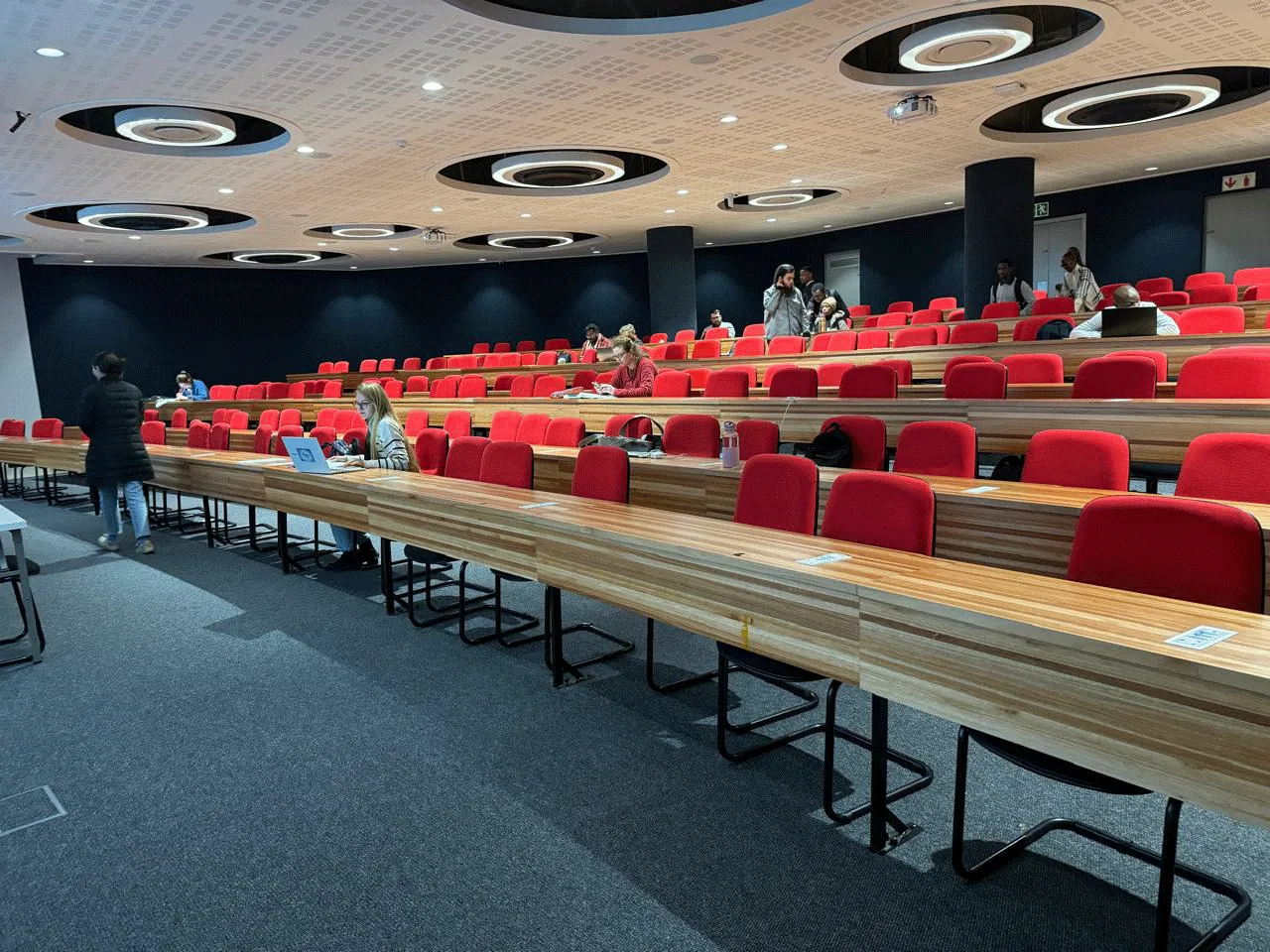
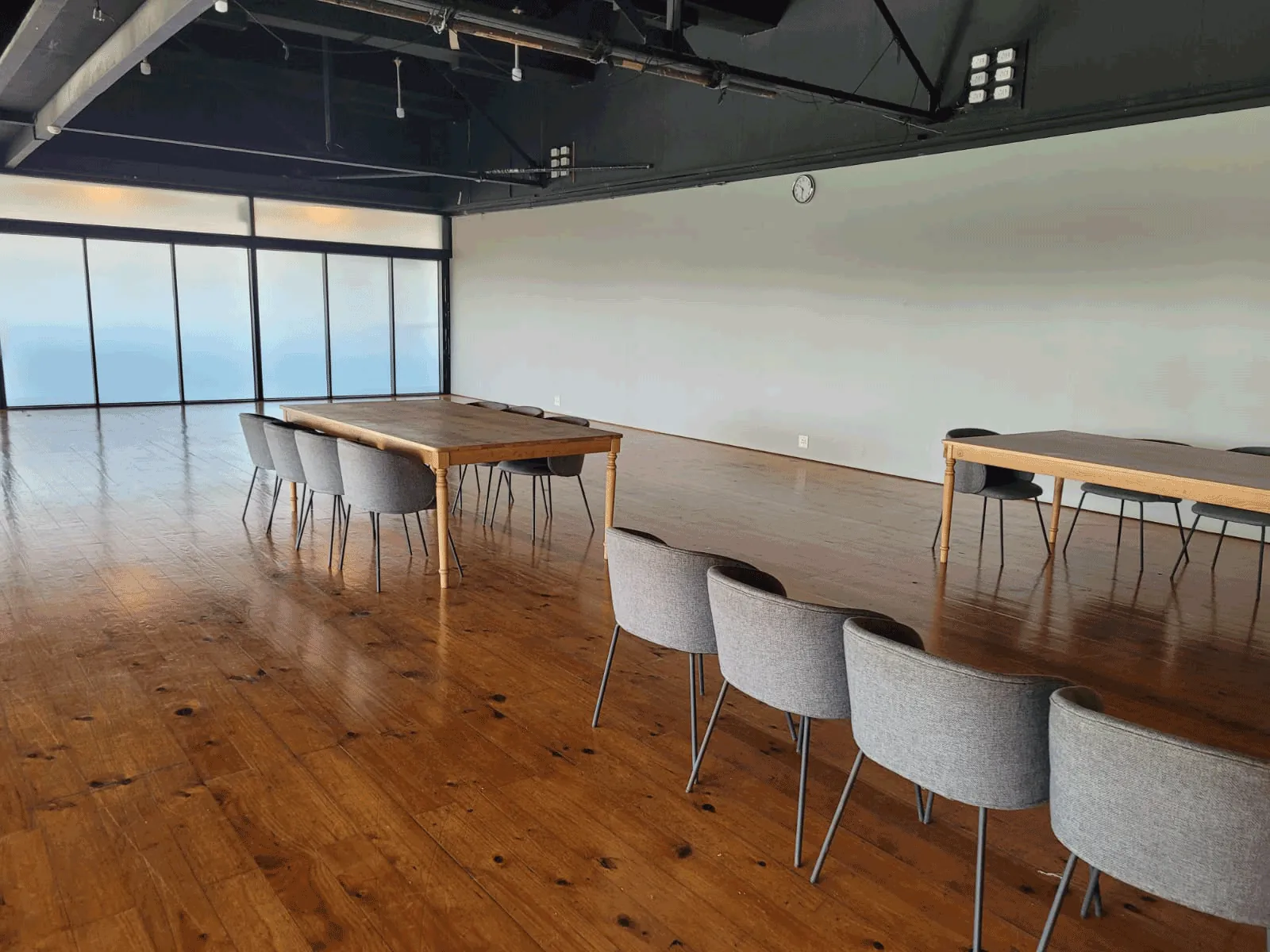
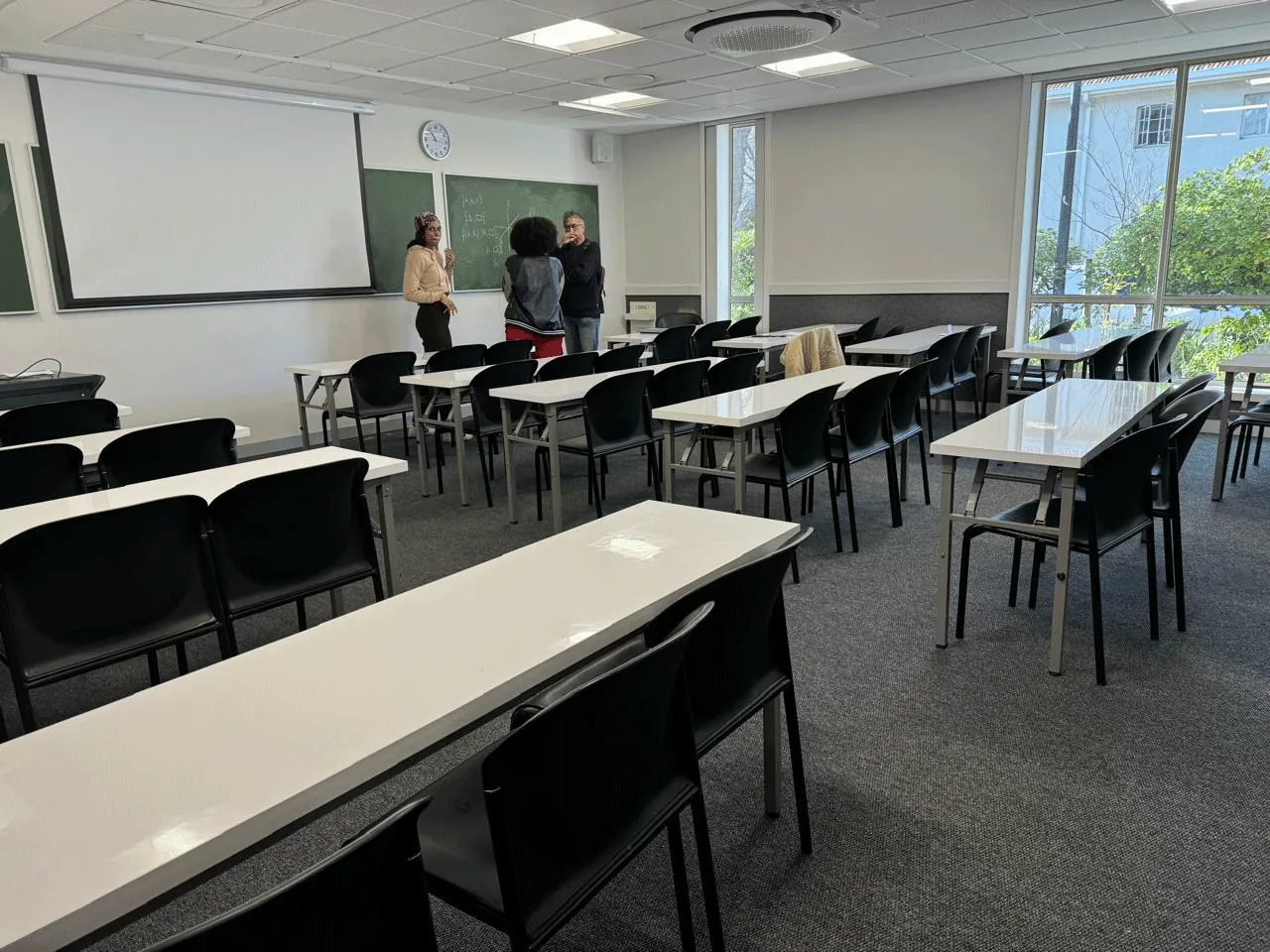
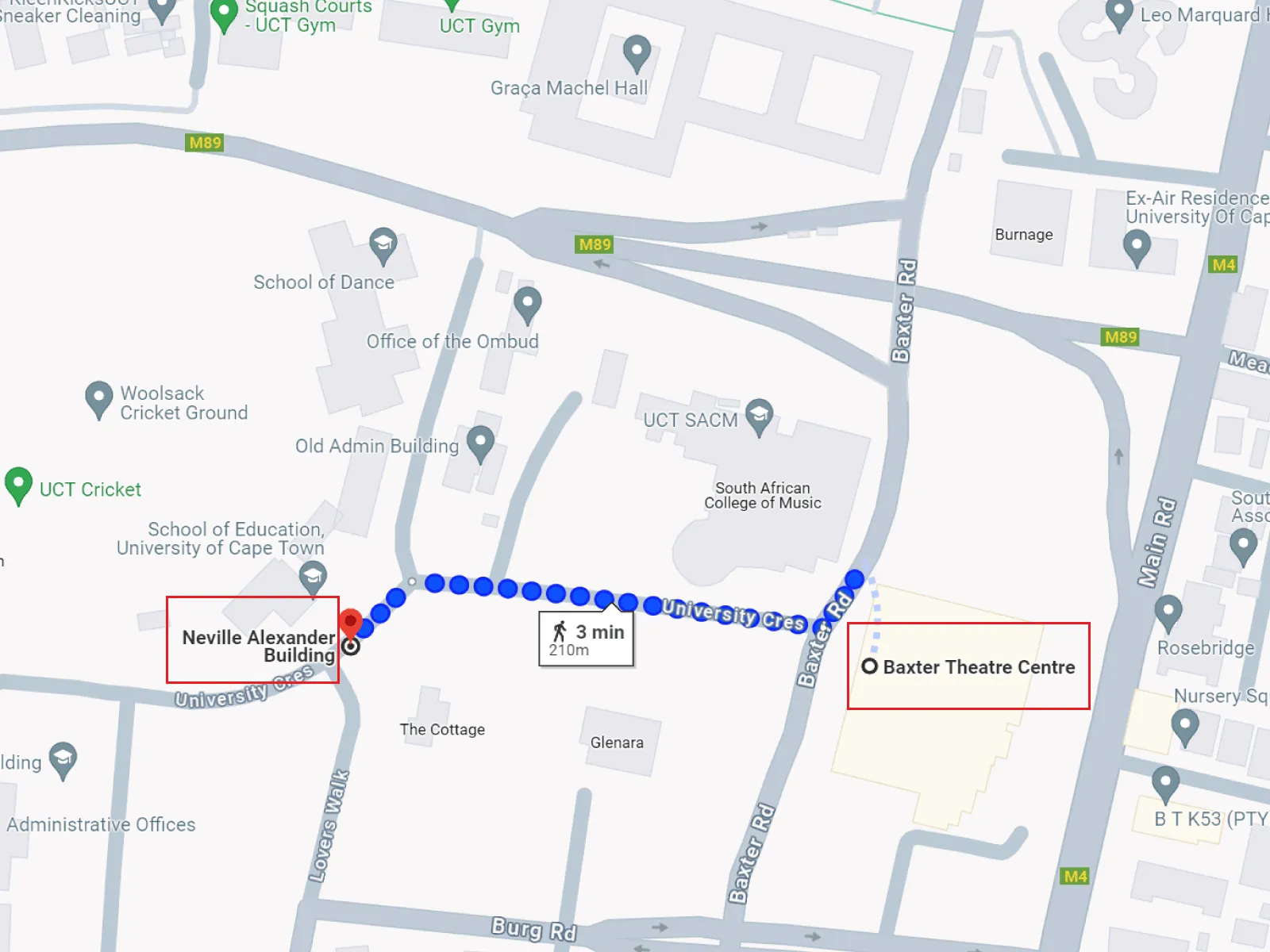
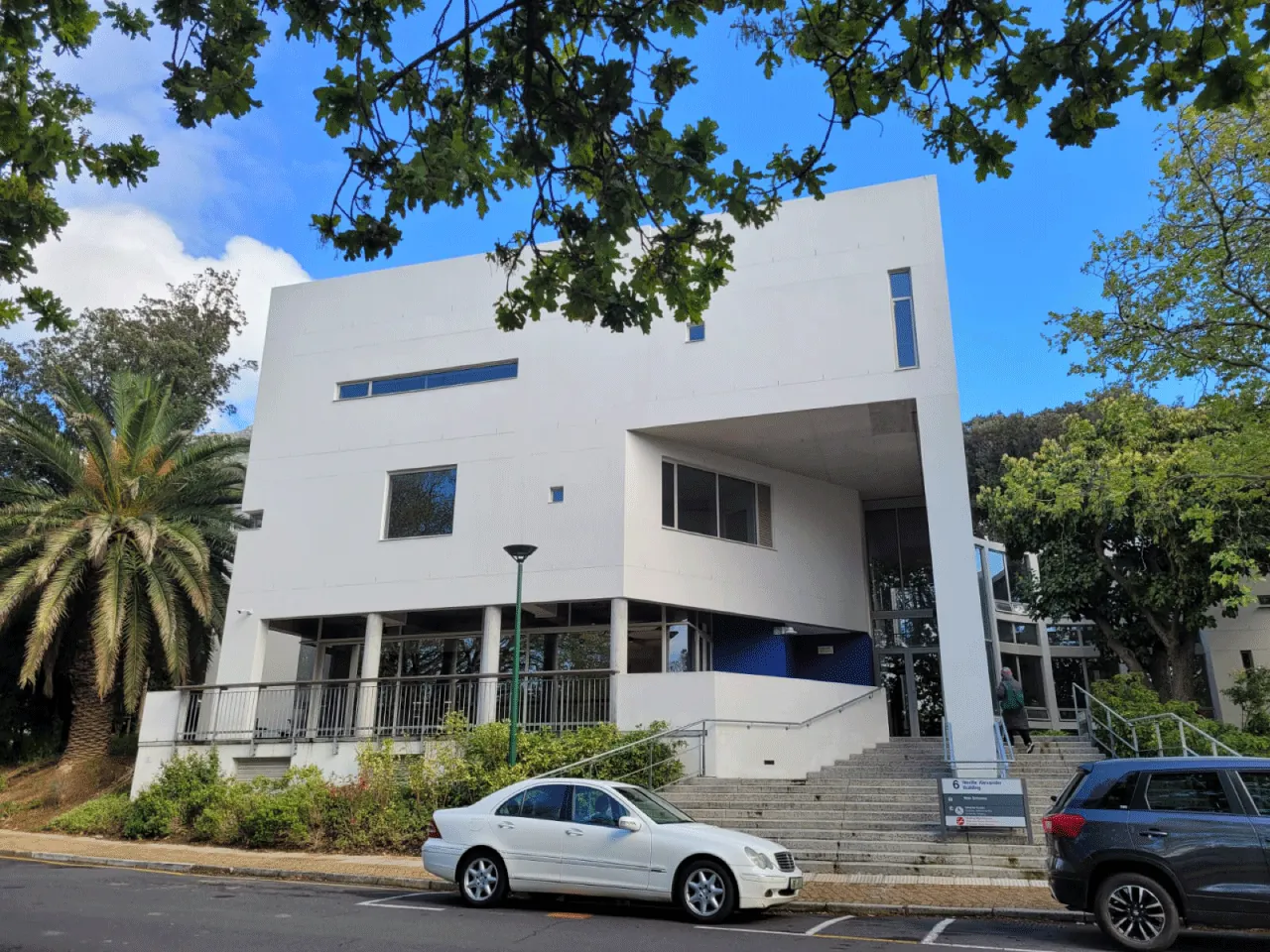
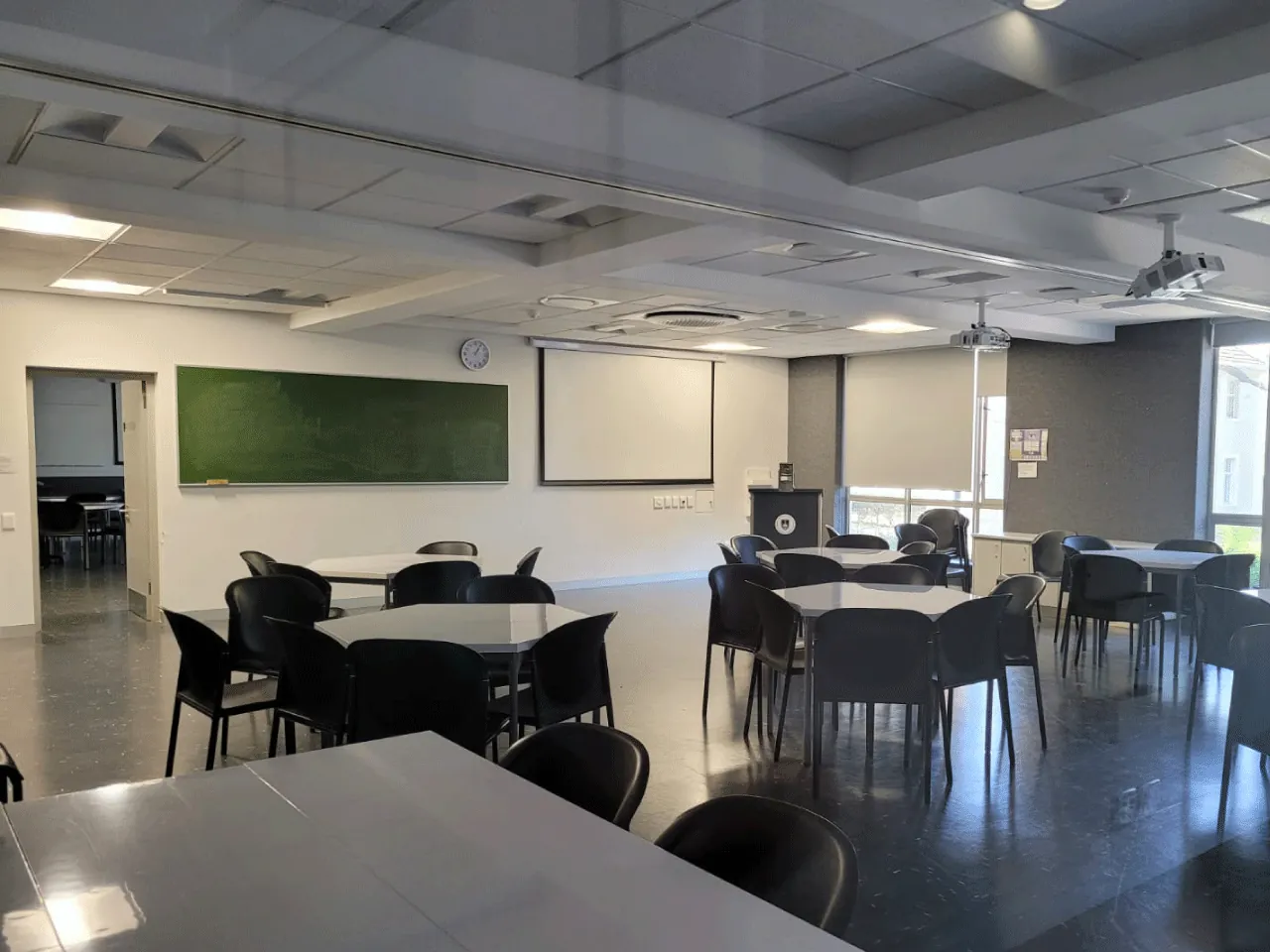
The IPC7 meeting will be held at the Baxter Theatre Complex and the University of Cape Town. These venues are set in the heart of the leafy suburb of Rondebosch in Cape Town at the foothills of the Devil’s Peak of Table Mountain. The Baxter is a superb venue with cutting edge technologies and capacity to host our large plenaries, and there are also several intimate smaller venues that can be used for breakaways or parallel sessions. In addition, we will use several of the well designed and equipped lecture venues in the recently completed, green, high efficiency Neville Alexander Building (named after the anti-apartheid activist and UCT academic). This building is literally a 3 min walk from the Baxter Complex.

Circulars:

IPC7 logo

IPC7 logo

High-resolution PNG with transparent background, for your posters, presentations and posts.

DOWNLOAD LOGO (PNG)

Presentation icons

The following icons can be used on your slides to clearly express if you do not want any details of your talk to be made public.

Attending or presenting at IPC7? Download these IPC7 social media graphics and share them on your social media channels.

Let your colleagues know you're attending or presenting at IPC7, and help us build excitement for the congress!

Notices:

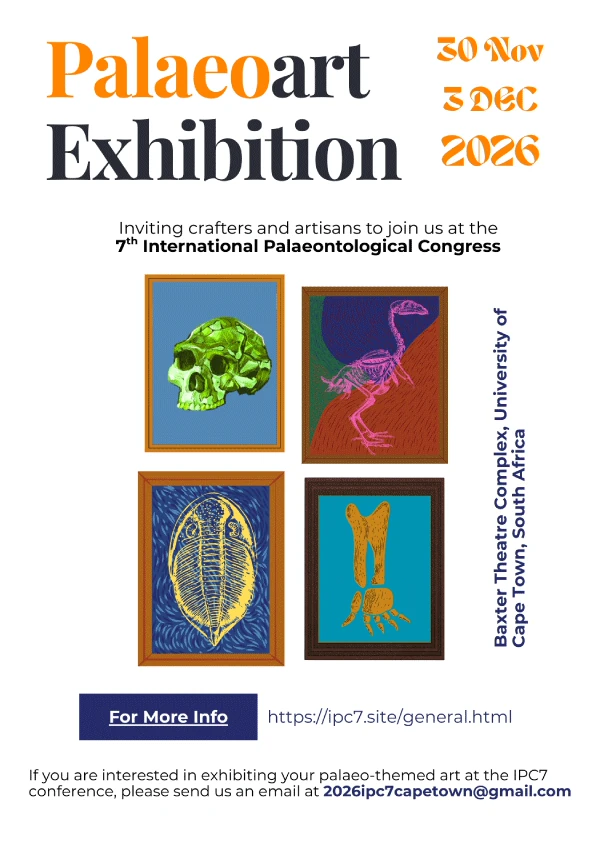
Palaeoart Exhibition flyer, IPC7 2026

We would like to extend a special invitation to palaeoartists to attend IPC7 to showcase their work.

We are offering a stand/booth space (at no cost) for palaeoartists to display their artwork at the meeting.

Details regarding how much of space is allocated per artist will be determined once we have some indication of how many people would like to participate in this endeavour.

Deadline: 30-June

The Palaeoart Exhibition will also include the Junior Palaeoart category. To participate in this category, complete the following form:

International survey launched on how and why (or why not) palaeontologists communicate with the public

Prof Anusuya Chinsamy-Turan, the chair of IPC7, and Prof Marina Joubert (Stellenbosch University) have launched the first international survey on how and why palaeontologists engage with the public. The results will help shape IPC7 programming and recommendations for institutions.

https://www.eurekalert.org/news-releases/1150005

UCT researchers name 400 000-year-old fossilised termite nests after Little Karoo town

Dr Miengah Abrahams and Prof Emese Bordy, co-convenors of the Ichnology Symposium at IPC7, were involved in a Journal of Quaternary Science paper that describes a new type of trace fossil: underground termite nests from Calitzdorp. UCT student Chandré Janse van Rensburg will present related research at IPC7.

https://www.eurekalert.org/news-releases/1150017

IPC7 committee member leads discovery of first soft-shelled eggs of a mammalian forerunner

Prof Julien Benoit, a member of the organising committee of the 7th International Palaeontological Congress (IPC7) was deeply involved in a new PLoS One paper that deciphers the importance of a fist-sized fossilised embryo found in South Africa 17 years ago.

https://www.eurekalert.org/news-releases/1136368

Of crocodiles, counting and conferences

Prof Anusuya Chinsamy-Turan the chair of IPC7 and Dr. Maria Eugenia Pereyra a member of the organising committee were involved in a Scientific Reports paper deciphers the precense of stochastic growth marks in crocodilians.

https://www.eurekalert.org/news-releases/1118842

IPC7 keynote speaker receives national honor for her work to protect Mongolia’s fossils

Dr Bolortsetseg Minjin, a keynote speaker at the IPC7, was awarded a state honour medal by the President of Mongolia in recognition of her work to protect and repatriate Mongolian fossils. She will speak in the Communicating Palaeosciences symposium on 2 December 2026.

https://www.eurekalert.org/news-releases/1146531